Cold pavement, rock salt, ice and dry indoor heat all land on the same four paws. Most winter paw problems are small and easy to prevent: a little prep before the walk, a quick wipe after it, and knowing which signs mean it's time to call your vet.
1. What winter does to paws
Paw pads are tough, but they aren't built for everything a winter sidewalk throws at them. These are the most common troublemakers:
| Problem | Why it matters |
|---|---|
| Ice melt and rock salt | Stings small cracks, dries out pads and can upset the stomach when dogs lick it off their feet later. |
| Ice balls between the toes | Snow packs into the fur between the pads and freezes into hard little balls that pull and rub with every step. |
| Dry, cracked pads | Cold air outside plus dry heat inside can leave pads rough and split, much like chapped hands. |
| Sharp ice and hidden debris | Crusty snow and frozen edges can cut pads, and snow hides glass, sticks and stones. |
| Antifreeze drips | Tastes sweet and is very toxic. A puddle in a driveway or a lick off a paw is enough to be dangerous. |
2. Before the walk
- Trim the fur between the pads. Keeping it level with the pads means fewer ice balls. Use blunt-tip scissors or ask your groomer if your dog won't hold still.
- Use a pet-safe paw balm. A thin layer of a wax or balm made for dogs gives pads a light barrier against salt and wet snow. Skip human lotions: your dog will lick it off, and some ingredients aren't meant to be swallowed.
- Try dog booties. They're the best protection on heavily salted streets. Most dogs walk like they're on the moon at first, so start indoors for a minute or two at a time with treats, then build up.
- Keep nails trimmed. Long nails make it harder to grip on ice and push the toes apart, which lets more snow pack in.
- Add a layer for dogs who feel the cold. Small dogs, short-coated dogs, puppies, seniors and lean breeds lose heat fast. A sweater or hoodie helps on short walks. Thick-coated dogs like our Samoyed pup Snow usually don't need one.
3. On the walk
- Choose your path. Walk on clean snow or grass instead of salted sidewalks when you can, and steer around puddles in driveways and parking lots.
- Go shorter and more often on very cold days. Two or three quick outings are kinder than one long one.
- Watch the feet. If your dog starts lifting paws, limping, stopping or licking a foot, check for ice balls or salt and head home.
- Mind the short legs. Low dogs like our corgi Biscuit pick up snow on their belly and chest as well as their feet. Wipe those spots too when you get back.
- Stay visible. Winter evenings get dark early. A reflective collar or a small clip-on light helps drivers see you both.
4. After the walk: the 2-minute paw routine
- Keep an old towel and a bowl of lukewarm water (not hot) by the door.
- Dip or wipe each paw to rinse off salt, ice melt and grit. A damp cloth works fine for small dogs.
- Gently loosen any ice balls with your fingers or a warm cloth. Don't pull them out with the fur.
- Dry well, especially between the toes, where moisture can lead to soreness.
- Take a quick look at each pad for cracks, cuts, redness or swelling.
- If pads look dry, add a thin layer of pet-safe balm once they're clean and dry.
Turn it into a treat ritual and most dogs start offering their paws on their own by the second week.
5. Ice melt and antifreeze at home
You can't control the sidewalk, but you can control your own steps and driveway.
- Use an ice melt labeled pet-safe on your own steps and paths, or use sand for grip. Even pet-safe products can upset the stomach if a dog eats a lot, so store the bag closed and out of reach.
- Clean up antifreeze spills right away and keep containers sealed on a high shelf. Look for products labeled as made with a less toxic formula.
- Wipe paws after any walk near cars, since a few drops picked up from a garage floor can end up licked off later.
Not sure if something your pet got into is dangerous? Check it in seconds with our free pet food and toxin checker, for example antifreeze or salty foods.
6. Don't forget the cats
Indoor cats mostly deal with dry air, so watch for flaky skin or rough pads and keep fresh water easy to reach. If cats roam outside in your area, tap the hood of your car or honk before starting it on cold mornings, since cats sometimes crawl into warm engines. Antifreeze is just as dangerous for cats as it is for dogs.
When to call your vet
Call your vet if you notice any of these:
- A pad that is cracked deeply, bleeding or won't stop being licked
- Limping that lasts more than a day, or a paw that is hot, swollen or red
- Skin on the toes, ears or tail that looks pale, grey or blue, feels cold or hard, or seems painful (possible frostbite). Warm the area gently with lukewarm water, never hot, and call right away.
- Drooling, vomiting, wobbling or acting "drunk" after a walk, or any chance your pet licked antifreeze. Don't wait for signs: call your vet, an emergency vet or an animal poison control line now. US animal poison control lines: (888) 426-4435 or (855) 764-7661 (a consultation fee may apply).
Winter paw care checklist
- Fur between the pads trimmed and nails short.
- Pet-safe paw balm or booties on before salty walks.
- Towel and lukewarm water waiting by the door.
- Paws rinsed, dried and checked after every walk.
- Pet-safe ice melt on your own steps; antifreeze sealed and up high.
- A sweater or hoodie ready for small, short-coated or senior dogs.
- Your vet's number and the nearest emergency vet saved in your phone.
A pet first aid kit is worth having before the first storm, and if you're traveling over the holidays, see our holiday boarding checklist.
Instant answers for 130+ foods and plants
Type any food, plant or household item, like antifreeze. Get safe, caution or toxic for dogs and cats, with what to do.


Shopping for a pet person?
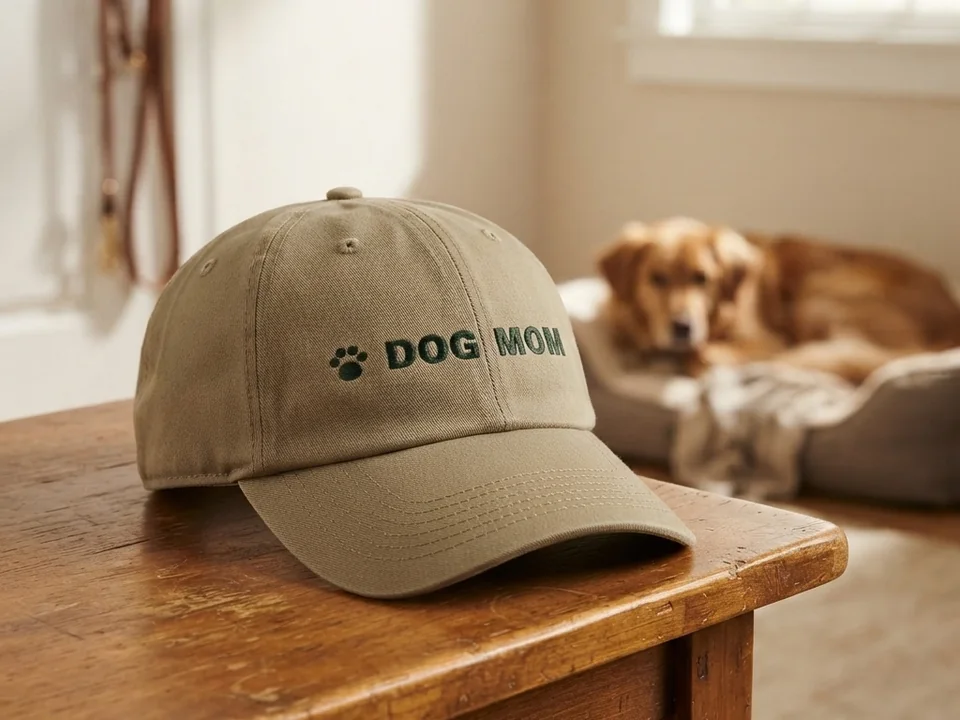
Funny tees and mugs, embroidered hats, engraved bracelets and instant-download planners for dog and cat people. Christmas delivery: order by Nov 30 (personalized items by Nov 25).
Questions people ask
Is ice melt bad for dogs' paws?
Many ice melts and rock salt can sting and dry out paw pads, and they can upset the stomach if a dog licks a lot off its feet. Rinse and dry paws after walks on treated sidewalks, and use a product labeled pet-safe at home. Call your vet if your dog eats ice melt or seems unwell.
Do dogs need boots in winter?
Not every dog does, but booties are the best protection on heavily salted streets and for dogs with sensitive or cracked pads. Introduce them slowly indoors with treats. If your dog won't wear them, a pet-safe paw balm and a rinse after each walk are a good alternative.
Can I put human lotion or petroleum jelly on my dog's paws?
It's better to use a balm made for dogs. Dogs lick their paws, and some human lotions contain ingredients that aren't meant to be swallowed. Ask your vet which product suits your dog, especially if the pads are cracked or sore.
How cold is too cold to walk my dog?
It depends on the dog. Small, short-coated, young, senior and lean dogs feel the cold much sooner than thick-coated breeds. On very cold or windy days, keep walks short, add a sweater for dogs who need it, and head home if your dog lifts its paws, shivers or slows down.
How do I stop snowballs forming between my dog's toes?
Keep the fur between the pads trimmed level with the pads, apply a thin layer of pet-safe paw balm before walks, or use booties. After the walk, melt any ice balls with lukewarm water or a warm cloth instead of pulling them out.
Save this for later.
Pin it to your pet board so it's there when you need it.
The Paw Plan shares general information, not veterinary advice. Every pet is different, so check with your vet about your pet's health, diet and care.
More guides you'll like
Holiday foods dogs and cats can't eat
From the Thanksgiving turkey to the New Year's cheese board, holiday food is everywhere. Here's what to keep off your pet's plate, what's fine in small amounts, and what to do if they help themselves.
Read the guide →Pet first aid kit checklist
A small kit and the right phone numbers help you stay calm in a scary moment and get your pet to help faster.
Read the guide →Pet-safe Christmas: trees, decorations and holiday plants
A tree full of dangling toys, new plants and piles of ribbon: to a pet, December looks like a playground. Here's how to decorate without a trip to the emergency vet.
Read the guide →One easy pet-care tip a week.
Short, practical and friendly. Join free and get our printable pet emergency contact card right away.
One email a week. Unsubscribe any time.