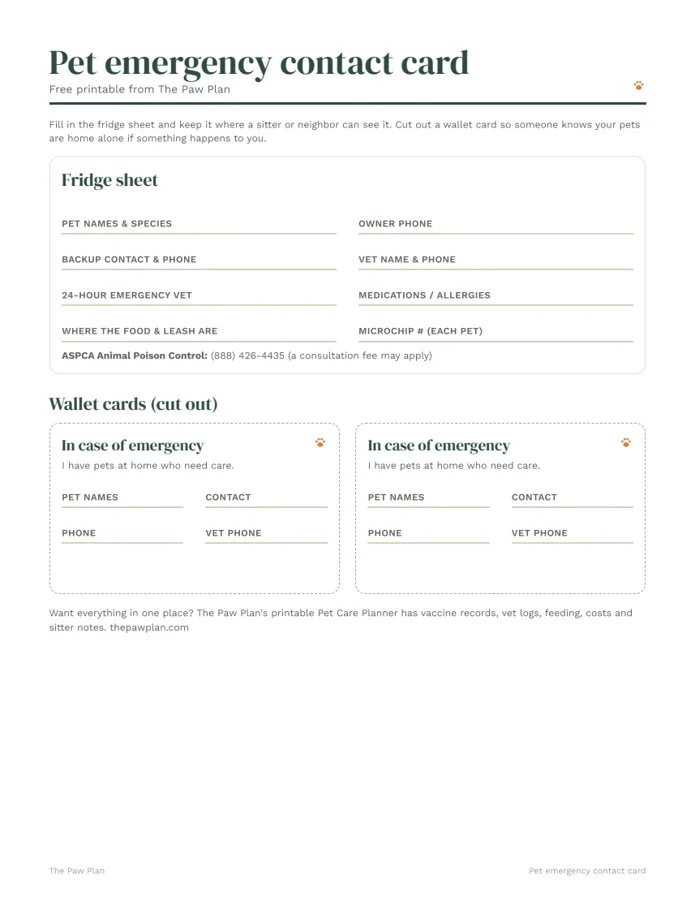
A first aid kit is for small problems and for keeping your pet stable on the way to the vet. It's not a replacement for veterinary care.
Supplies
- Gauze pads and a roll of gauze
- Self-stick bandage wrap (the kind that doesn't stick to fur)
- Adhesive medical tape
- Blunt-tip scissors
- Tweezers and a tick remover
- Saline solution for rinsing eyes or wounds
- Disposable gloves
- A digital thermometer and a lubricant
- A clean towel or small blanket
- A spare leash and a soft muzzle (even gentle pets may bite when hurt)
- An oral syringe or dropper
- A flashlight
Paperwork and phone numbers
- Your vet's phone number and address
- The nearest 24-hour emergency vet
- A pet poison control hotline number
- Your pet's vaccine records and medication list
- A recent photo of your pet
Keep in mind
- Don't give human medicines unless your vet says so. Some common ones are dangerous for pets.
- Check the kit twice a year and replace anything expired or used.
- Keep one kit at home and a small one in the car if you travel with your pet.
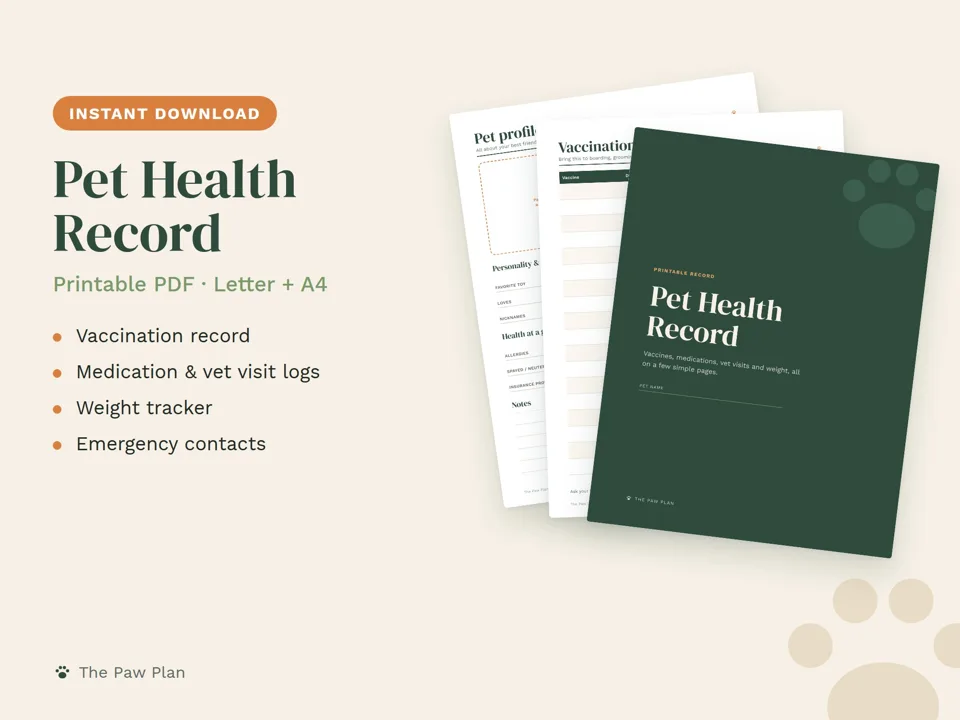
Never lose track of vaccines and vet visits.
Our printable pet health record keeps vaccines, meds, weight and vet visits together. Instant download.
Instant answers for 130+ foods and plants
Type any food. Get safe, caution or toxic for dogs and cats, with what to do.
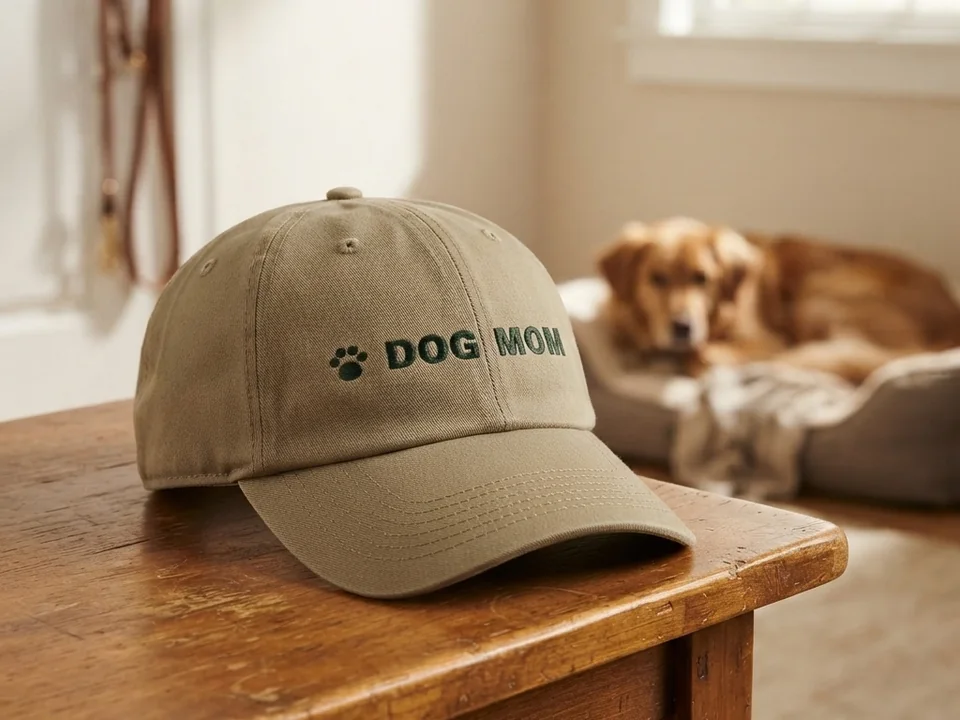


Shopping for a pet person?
Funny tees and mugs, embroidered hats, engraved bracelets and instant-download planners for dog and cat people. Christmas delivery: order by Nov 30 (personalized items by Nov 25).
Questions people ask
What should be in a dog first aid kit?
Gauze, self-stick wrap, tape, scissors, tweezers or a tick remover, saline, gloves, a thermometer, a towel, a spare leash and muzzle, plus your vet's and emergency numbers.
Can I give my dog human pain medicine?
No, not unless your vet tells you to. Several common human pain relievers can be toxic to dogs and cats.
Where should I keep my pet's records?
Keep a copy with the first aid kit and another on your phone, so you can grab them in an emergency.
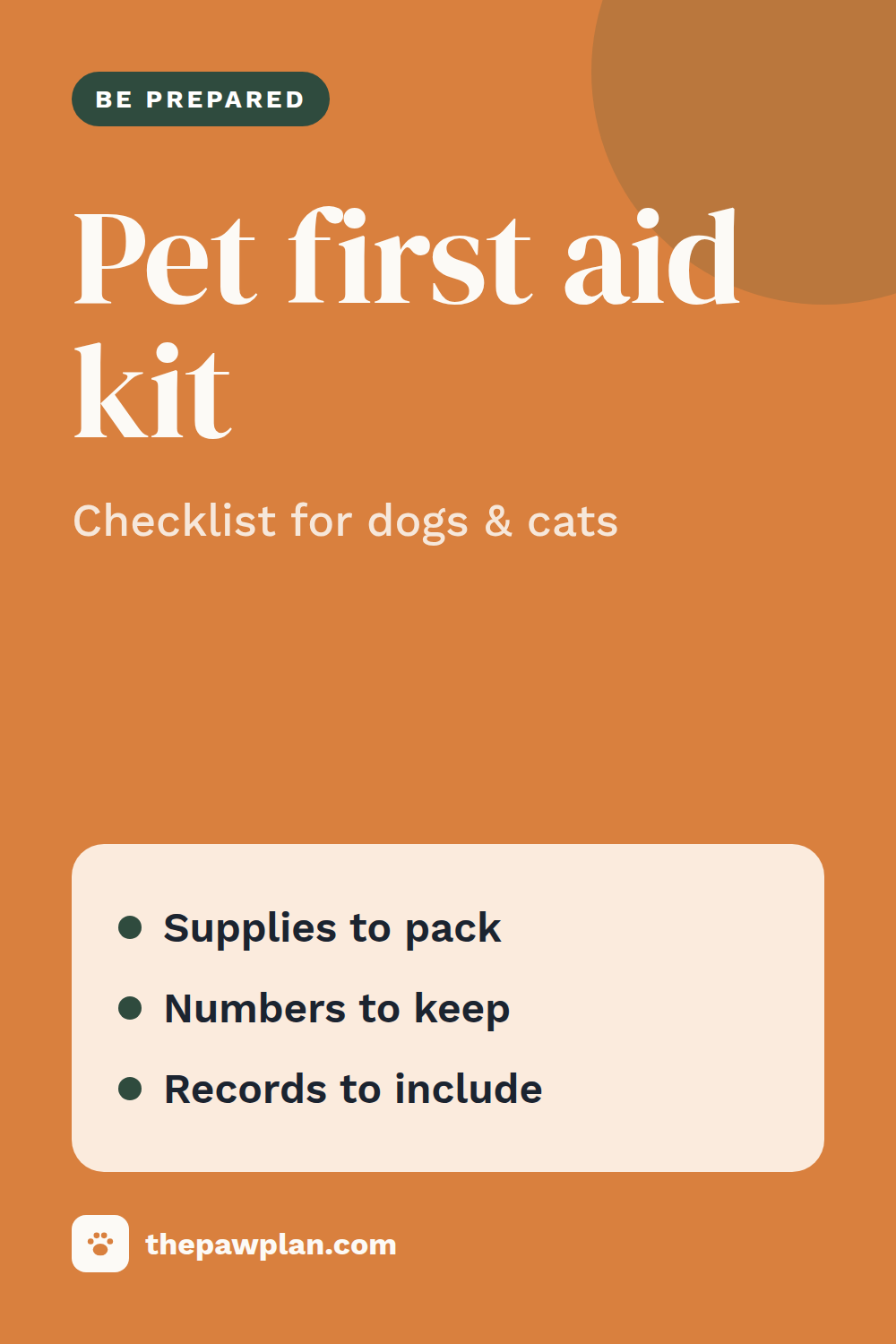
Save this for later.
Pin it to your pet board so it's there when you need it.
The Paw Plan shares general information, not veterinary advice. Every pet is different, so check with your vet about your pet's health, diet and care.
More guides you'll like
Holiday foods dogs and cats can't eat
From the Thanksgiving turkey to the New Year's cheese board, holiday food is everywhere. Here's what to keep off your pet's plate, what's fine in small amounts, and what to do if they help themselves.
Read the guide →Halloween pet safety: candy, costumes and trick-or-treaters
Halloween is fun for people and confusing for pets: strange costumes, a doorbell that never stops and a bowl of candy at nose height. Here's how to keep the night safe and calm.
Read the guide →Pet sitter checklist: what to leave before you travel
Clear instructions help your pet feel safe and your sitter feel confident. Here's everything to write down.
Read the guide →One easy pet-care tip a week.
Short, practical and friendly. Join free and get our printable pet emergency contact card right away.
One email a week. Unsubscribe any time.