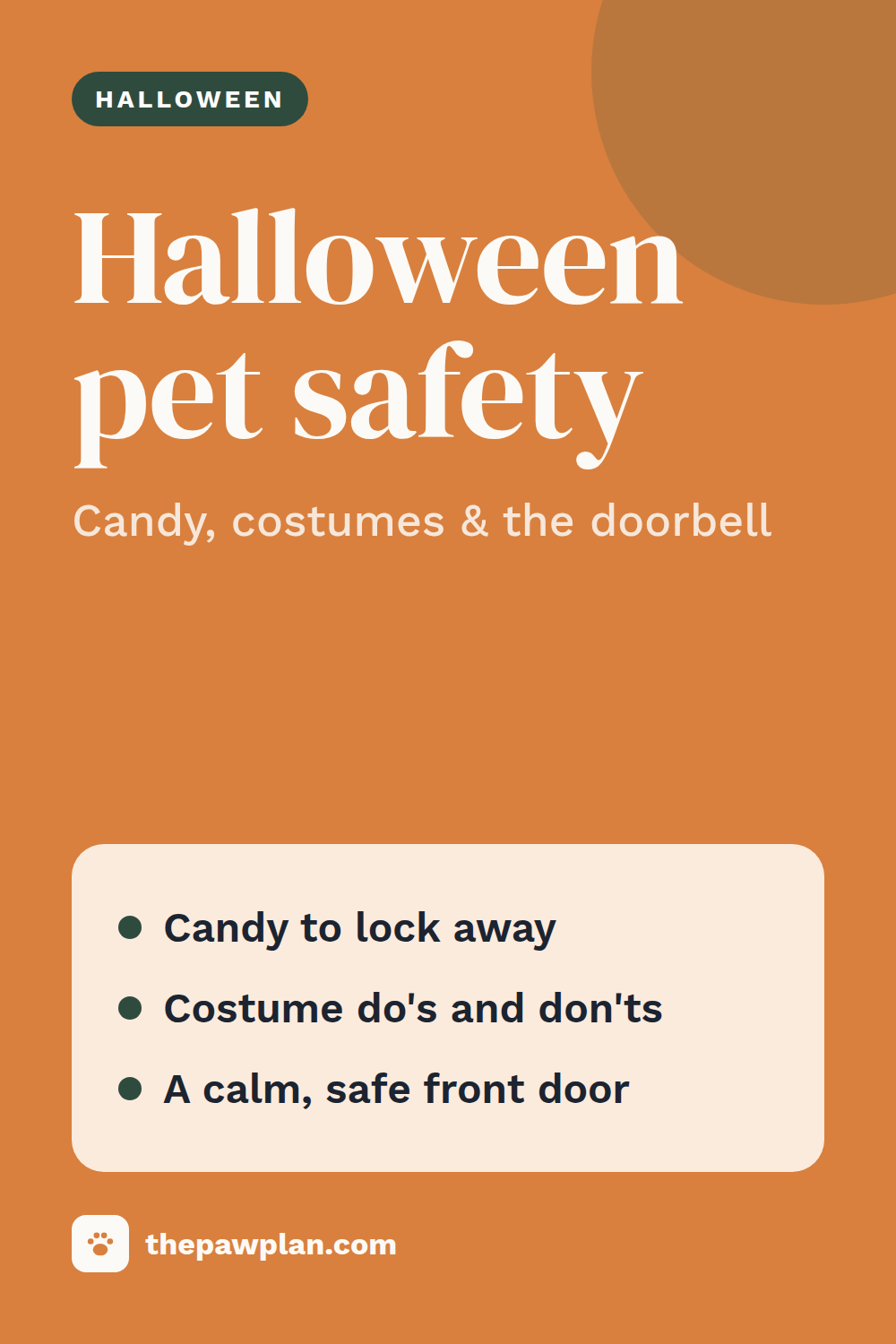
Most Halloween problems for pets fall into three groups: something they eat, something they wear and something that scares them. A few simple steps take care of all three, and they're worth doing even if you don't hand out candy.
1. Candy: the number one risk
Trick-or-treat buckets usually end up on the floor, the couch or a kid's bedroom, and dogs are very good at finding them. These are the treats to watch most closely:
| Treat | Why it matters |
|---|---|
| Chocolate | Toxic to dogs and cats. Dark and baking chocolate are the most dangerous, but a big haul of milk chocolate can be a problem for a small dog. |
| Sugar-free candy and gum | May contain xylitol, which can cause a dangerous drop in blood sugar and liver damage in dogs. |
| Raisins | Little snack boxes of raisins are a popular "healthy" handout. Raisins can cause kidney injury in dogs. |
| Wrappers and sticks | Dogs often eat candy wrapper and all. Foil, plastic and lollipop sticks can cause blockages. |
| Sugary candy | Not poisonous like chocolate, but a large amount can cause vomiting and diarrhea. |
Check any treat in seconds with our food checker, for example chocolate, xylitol, raisins or sugary candy.
Easy fixes: keep the candy bowl on a high shelf between doorbells, give each child a bin with a lid for their haul, and do a quick floor sweep for dropped pieces after sorting.
2. Decorations and glow sticks
- Glow sticks and glow jewelry. Cats in particular love to chew them. The liquid inside tastes very bitter and usually causes heavy drooling and foaming rather than serious poisoning, but call your vet for advice, and watch for swallowed plastic pieces.
- Jack-o'-lanterns. A lit candle can be knocked over by a wagging tail or a curious cat. Battery tea lights are a safer choice.
- Pumpkins and decorative corn. Not toxic, but a moldy pumpkin or a mouthful of dried corn can upset the stomach. Toss carved pumpkins once they start to soften.
- Fake cobwebs, string lights and cords. These can tangle pets or be swallowed. Keep them out of reach and unplug lights when you're out.
- Fog machines and strobe lights. They can frighten pets. Keep your pet in another room if you use them.
3. Costumes: only if your pet enjoys it
Some pets happily wear a bandana. Many do not enjoy costumes at all. If you do dress up your pet, follow these rules:
- Try it on early, for a few minutes at a time, with treats. If your pet freezes, hides, paws at it or tries to back out of it, skip the costume.
- Check the fit. Your pet should be able to see, hear, breathe, bark or meow, move and go to the bathroom normally.
- No small or dangling parts that can be chewed off and swallowed, like buttons, bells, pom-poms or elastic.
- Never leave a costumed pet alone, and never use human face paint, hair dye or glitter on a pet.
- Know the stress signs: tucked tail, ears pinned back, lip licking, yawning, whale eye (showing the whites of the eyes), hiding or growling.
A festive collar, bandana or bow tie gets the same great photo with a lot less stress.
Planning a Halloween photo? Keep the session short, use lots of treats, and take the photo before the doorbell rush starts, when your pet is calm and the light is better.
4. The front door
A doorbell every few minutes and people in masks can scare even calm pets, and an open door is an easy escape route. Halloween is one of the nights pets most often go missing.
- Set up a quiet room away from the front door, with water, a bed, a favorite toy or chew, and some background music or TV.
- Use a gate, crate or leash if your pet will be near the door.
- Check ID before the night: a collar with a current ID tag, and microchip details that list your current phone number.
- Keep cats indoors for the evening, and bring outdoor pets inside. Many vets and shelters recommend this for all cats around Halloween.
- Or skip the doorbell. Sitting outside with the candy bowl keeps the door closed and the house quiet.
5. Trick-or-treating with your dog
Only bring a dog who is calm around crowds, kids and costumes, and even then keep it short. Walk before dark if you can, use a short leash and a reflective collar or light, and head home at the first sign of stress. For most dogs, a quiet evening at home is the kinder choice.
Halloween night checklist
- Candy stored up high, with lids on kids' buckets.
- Battery lights in pumpkins, cords tucked away.
- Quiet room set up with water and something to chew.
- ID tag on and microchip details up to date.
- Cats and outdoor pets inside before dark.
- Your vet's number and the nearest emergency vet saved in your phone.
The days after Halloween
The risk doesn't end on October 31. Candy often sits in backpacks, coat pockets and bedrooms for weeks, and dropped pieces turn up on sidewalks during walks. Store leftover candy in a closed cabinet, remind kids not to share with pets, and keep an eye on your dog's nose on the first few walks in November. Put costumes, glow sticks and decorations away once the night is over, and toss carved pumpkins before they turn moldy.
If your pet eats candy
Pick up what's left, keep the wrappers, and work out roughly what and how much was eaten and when. Then call your vet, an emergency vet or an animal poison control line. US animal poison control lines: (888) 426-4435 or (855) 764-7661 (a consultation fee may apply). Don't try to make your pet vomit unless a vet tells you to. Signs of chocolate or xylitol poisoning can take hours to appear, so call even if your pet seems fine.
Keeping a pet first aid kit and your pet's records in one place makes a stressful call much easier. Once the candy is gone, the next big season is right around the corner: see our holiday foods guide before Thanksgiving.

A calmer season starts with a plan.
Our complete pet bundle has the care planner, health record, sitter sheet, puppy kit and expense tracker. Instant download, and a great gift for any pet parent.
Instant answers for 130+ foods and plants
Type any food. Get safe, caution or toxic for dogs and cats, with what to do.
Shopping for a pet person?
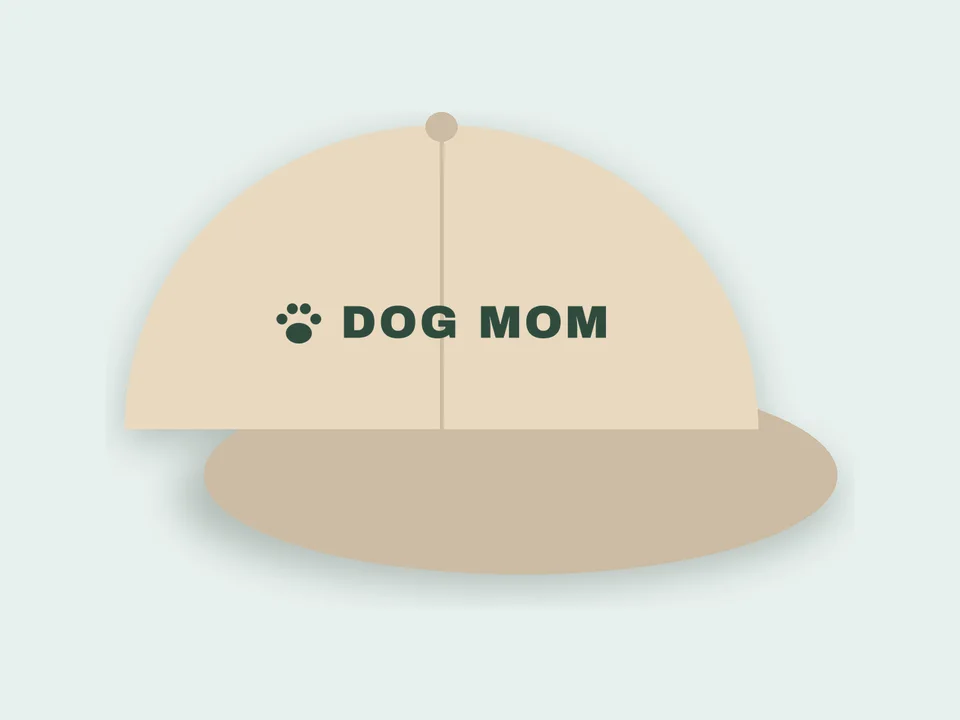
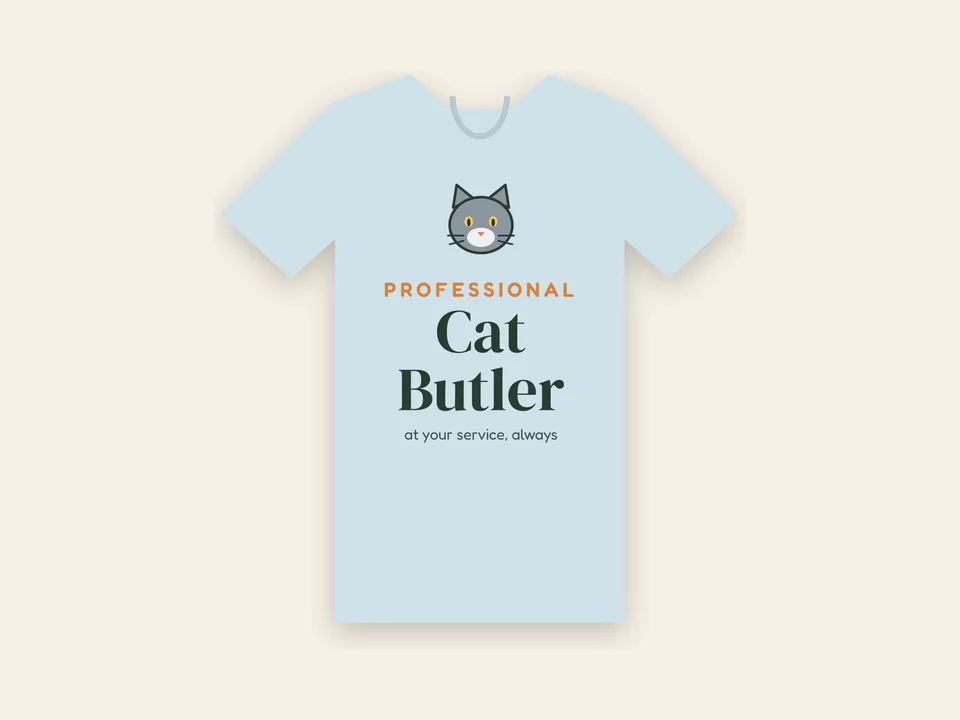
Funny tees and mugs, embroidered hats, engraved bracelets and instant-download planners for dog and cat people. Order made-to-order gifts by early December.
Questions people ask
Is candy corn bad for dogs?
Candy corn isn't toxic like chocolate, but it's almost pure sugar. A few pieces may cause no problem, while a large amount can cause vomiting and diarrhea. Watch out for wrappers and mixed bags that include chocolate.
Are glow sticks poisonous to cats and dogs?
The liquid in glow sticks tastes very bitter and usually causes drooling, foaming and pawing at the mouth rather than serious poisoning. Offer a little water or food to help clear the taste, and call your vet for advice, especially if pieces of plastic may have been swallowed.
Should I put a Halloween costume on my dog?
Only if your dog is relaxed wearing it. Try it on in short sessions first, make sure it doesn't block sight, hearing, breathing or movement, avoid chewable small parts and never leave your dog alone in it. A bandana or festive collar is a low-stress alternative.
Should I keep my cat inside on Halloween?
Yes. Many vets and shelters recommend keeping all cats indoors around Halloween. Crowds, noise and open doors make it easy for a cat to get scared, lost or hurt.
My dog ate a candy wrapper. What should I do?
Call your vet for advice. A small wrapper may pass on its own, but foil, plastic and sticks can cause a blockage. Watch for vomiting, not eating, belly pain, straining or low energy, and get help right away if you see them.
Save this for later.
Pin it to your pet board so it's there when you need it.
The Paw Plan shares general information, not veterinary advice. Every pet is different, so check with your vet about your pet's health, diet and care.
More guides you'll like
Holiday foods dogs and cats can't eat
From the Thanksgiving turkey to the New Year's cheese board, holiday food is everywhere. Here's what to keep off your pet's plate, what's fine in small amounts, and what to do if they help themselves.
Read the guide →Pet first aid kit checklist
A small kit and the right phone numbers help you stay calm in a scary moment and get your pet to help faster.
Read the guide →Pet-safe Christmas: trees, decorations and holiday plants
A tree full of dangling toys, new plants and piles of ribbon: to a pet, December looks like a playground. Here's how to decorate without a trip to the emergency vet.
Read the guide →One easy pet-care tip a week.
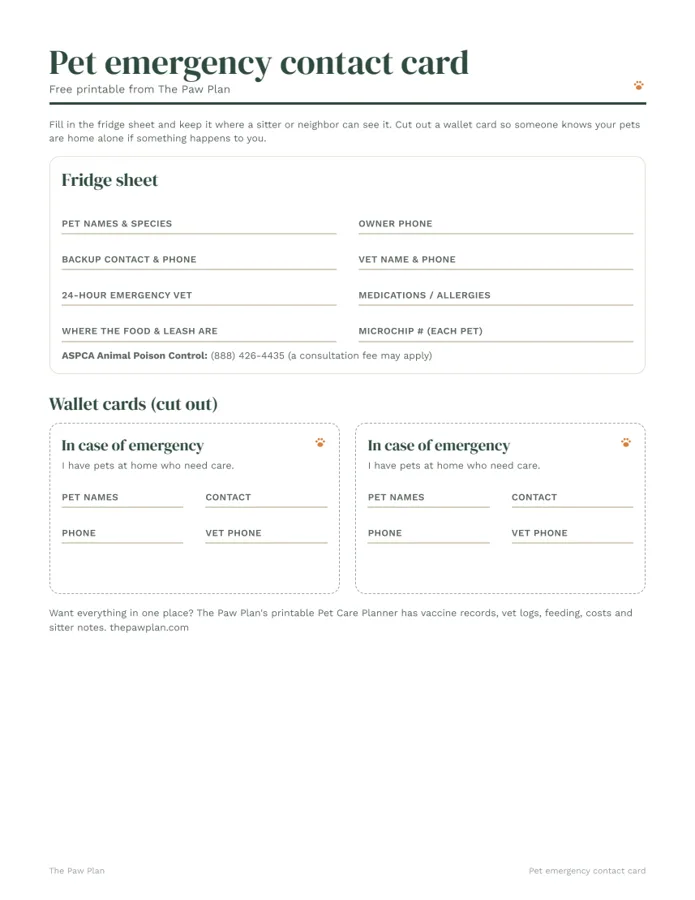
Short, practical and friendly. Join free and get our printable pet emergency contact card right away.