For a lot of dogs, New Year's Eve is the scariest night of the year. The bangs come out of nowhere, they go on for hours, and the whole neighborhood joins in right around midnight. You can't stop the noise, but you can make it much easier to get through. Most of it comes down to a plan you set up before the first firework goes off.
1. Why fireworks scare so many dogs
Dogs hear far more than we do, and fireworks hit almost every fear trigger at once:
| What happens | How it feels to a dog |
|---|---|
| Sudden, loud bangs | No warning and no pattern, so there's no way to get used to it in the moment. |
| Flashes of light | Bright bursts at the window add to the alarm, even before the sound arrives. |
| Strange smells | Smoke and burnt powder drift in and make the yard smell different. |
| No way to escape | The noise seems to come from everywhere, so many dogs try to run, dig or squeeze into tiny spaces. |
| A busy house | Parties, guests and late nights pile extra stress on top of the bangs. |
Signs your dog is scared: trembling, panting when it isn't hot, pacing, hiding under beds or behind the toilet, clinging to you, drooling, barking, whining, trying to dig or escape, and accidents in the house. Some dogs go very still and quiet, which is easy to miss.
2. The weeks before
- Talk to your vet early if your dog has been scared of fireworks or thunder before. There are calming options and prescription medicines that can help some dogs, and they often need a trial run well before the big night. Don't give your dog any human medicine or sleep aid on your own.
- Build a safe den. Pick an inner room with few windows, like a bathroom, closet or interior hallway. Add your dog's bed, a blanket that smells like you and some water. If your dog likes their crate, drape a blanket over the top and sides and leave the door open.
- Make the den a happy place. Spend a few minutes there each day with treats, chews and calm play, so your dog chooses it on their own when things get loud.
- Try sound practice. Play firework sounds very quietly while your dog eats or plays, and stop if they look worried. Raise the volume a tiny bit over many short sessions. This takes weeks, so start now, and skip it if it makes your dog anxious.
- Check ID. More dogs go missing around fireworks than almost any other time. Make sure the collar tag has your current phone number, the collar fits snugly, and the microchip details are up to date with the registry.
- Find out when fireworks happen near you. Local shows, neighbors with backyard fireworks and the nights before and after New Year's all count.
3. New Year's Eve day
- Get the walk done in daylight. Give your dog a long, sniffy walk in the afternoon, well before dark. Use a leash even if your dog is normally reliable, since one early bang can send a dog running. A well-fitted harness plus a collar with ID is a safe combo.
- Feed dinner a little early. Many scared dogs won't eat once the noise starts.
- Take a last potty break before it gets loud, on a leash, even in a fenced yard. Scared dogs can jump or dig under fences they would normally never test.
- Close up the house. Shut windows, curtains and blinds, and turn on lights so the flashes are less obvious.
- Add background noise. A fan, soft music, the TV or a white noise machine helps cover the bangs. Turn it on before the fireworks start so it isn't a sudden change.
4. During the fireworks
- Stay home with your dog if you can, especially the first year or if your dog has been scared before. Your calm company is one of the best comforts there is.
- Let your dog choose where to hide. If they squeeze under a bed or into the bathtub, let them. Don't pull them out.
- Comfort is fine. You can't make a fear worse by gently petting or talking softly to a scared dog. Keep your voice calm and your body relaxed.
- Never punish fear. Accidents, barking or chewing from fear are not bad behavior. Just clean up and move on.
- Offer something to do. A food puzzle, a lick mat or a long-lasting chew your dog already knows can help them settle between bangs. Many dogs won't take food when they're very scared, and that's okay.
- Watch the doors. Guests coming and going at midnight is a classic moment for a dog to bolt. Keep your dog in the den or behind a closed door while people arrive and leave.
Some dogs feel better in a snug wrap or body shirt made for anxious dogs. Try it on a calm day first so it isn't one more strange thing on a scary night.
5. Party foods to keep out of reach
New Year's parties come with snacks and drinks that are risky for dogs and cats. Our golden retriever Max will happily check every low coffee table, so plan for it:
- Grapes and raisins (and the midnight grape tradition): can cause kidney damage, even in small amounts.
- Chocolate and desserts, plus sugar-free gum and candy with xylitol.
- Alcohol of any kind, including spilled drinks and leftover glasses on low tables.
- Fatty or salty party food like ham, sausage, cheese boards and chips, which can upset the stomach.
- Party poppers, confetti, glow sticks and balloon ribbon, which can be chewed or swallowed.
Not sure about something? Check it in seconds with our free pet food safety checker, for example grapes, chocolate or alcohol. For the full list, see holiday foods dogs and cats can't eat.
6. Going out for the night?
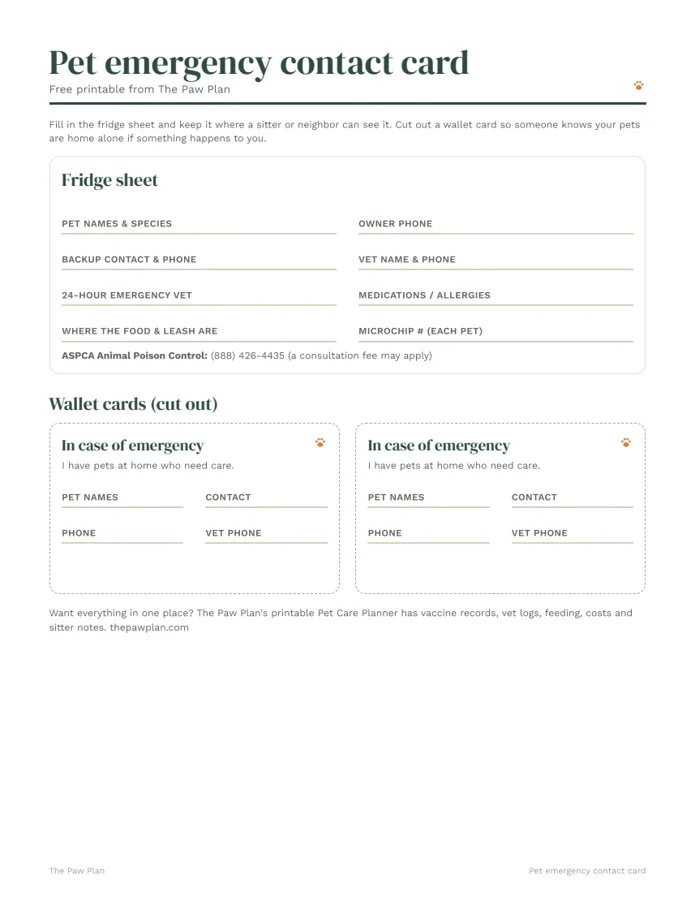
If you'll be at a party, try to have someone your dog knows stay with them, or plan to be home before midnight. Leave your sitter a clear note: where the den is, when to close the curtains and turn on the music, the rule about keeping doors shut, and your vet's and the nearest emergency vet's numbers. Our pet sitter checklist covers what to write down. Never leave a dog outside or in the yard on fireworks night.
7. If your dog gets loose
- Start looking right away and call your microchip registry to report your dog missing.
- Call local shelters, animal control and nearby vets, and post on neighborhood groups with a clear photo.
- Scared dogs often hide close to home and may not come when called. Walk slowly, sit down nearby, and leave out something that smells like home, like their bed or your worn shirt.
- Check again the next morning, when it's quiet and many lost dogs come out of hiding.
8. Don't forget the cats
Cats get scared of fireworks too, they just hide it better. Keep cats indoors from the afternoon on, close the cat flap, and leave plenty of hiding spots up high and down low. Put the litter box, water and food in a quiet room, and let your cat come out when they're ready.
When to call your vet
Call your vet if you notice any of these:
- Your dog panics every year, hurts themselves trying to escape, or can't settle for hours after the noise stops. Your vet can help with a plan, which may include behavior training or medicine.
- Your pet ate grapes, raisins, chocolate, xylitol, alcohol, a glow stick or party decorations.
- Vomiting, diarrhea, shaking or wobbliness, very fast breathing, or seeming very tired after the party.
- An injury from a fall, a fence or a run-in with fireworks.
If you think your pet ate something toxic, don't wait for signs: call your vet, an emergency vet or an animal poison control line now. US animal poison control lines: (888) 426-4435 or (855) 764-7661 (a consultation fee may apply).
Fireworks night checklist
- Vet talk done early if your dog has been scared before.
- Den set up in an inner room with a bed, water and a blanket that smells like you.
- Collar fits snugly, ID tag current, microchip details up to date.
- Long walk and potty break in daylight, on a leash.
- Dinner a little early.
- Windows, curtains and doors closed; lights on; fan, music or TV playing.
- A chew or food puzzle ready in the den.
- Grapes, chocolate, drinks and party poppers out of reach.
- Someone home with your dog, and a clear note if it's a sitter.
- Your vet's number and the nearest emergency vet saved in your phone.
Cold night too? See our winter paw care guide for icy walks, or the holiday hub for every big day from Halloween to New Year.
Staying in with the dog this year?
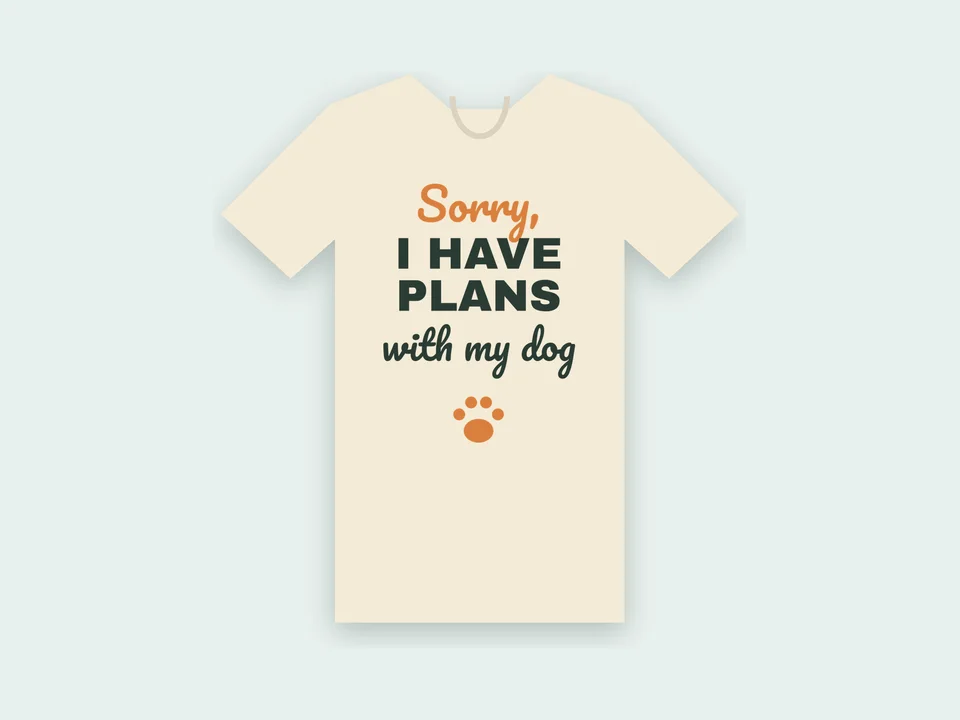
Our soft cotton "Sorry, I Have Plans With My Dog" tee says it for you. Made to order and shipped from the US, in sizes S to 3XL. Also on a mug for the New Year's Day coffee.
Instant answers for 130+ foods and plants
Type any food, drink or party snack, like grapes or chocolate. Get safe, caution or toxic for dogs and cats, with what to do.
Shopping for a pet person?
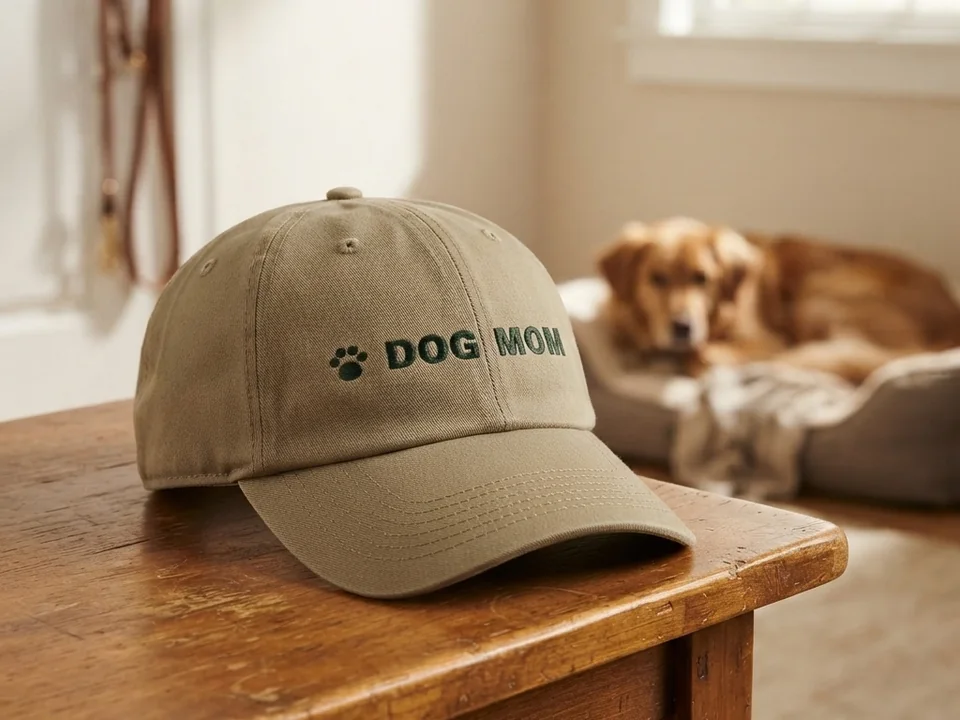
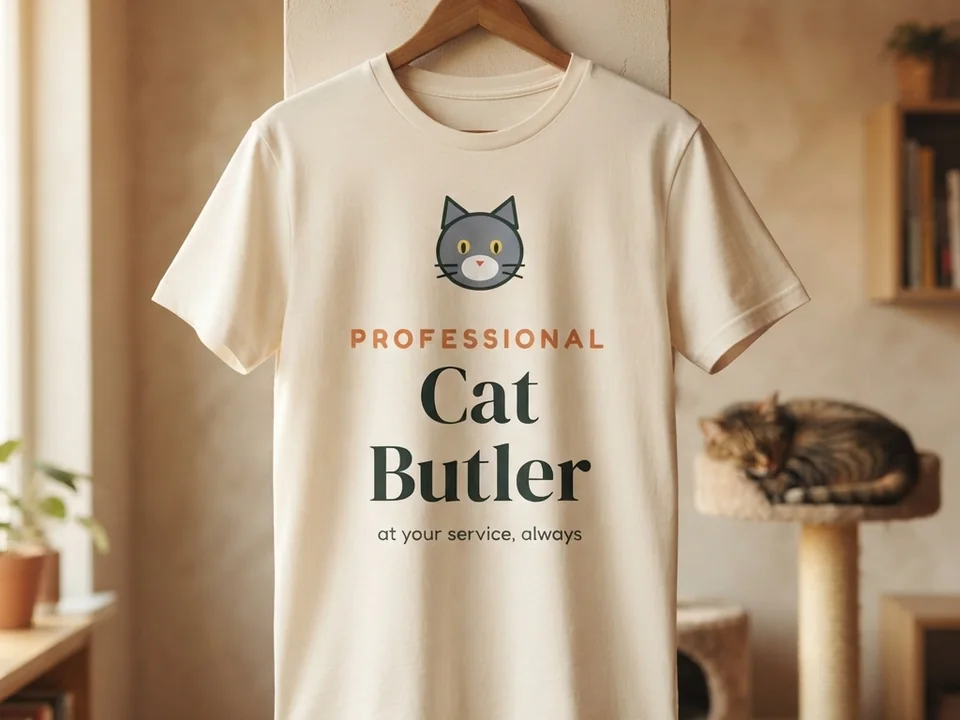
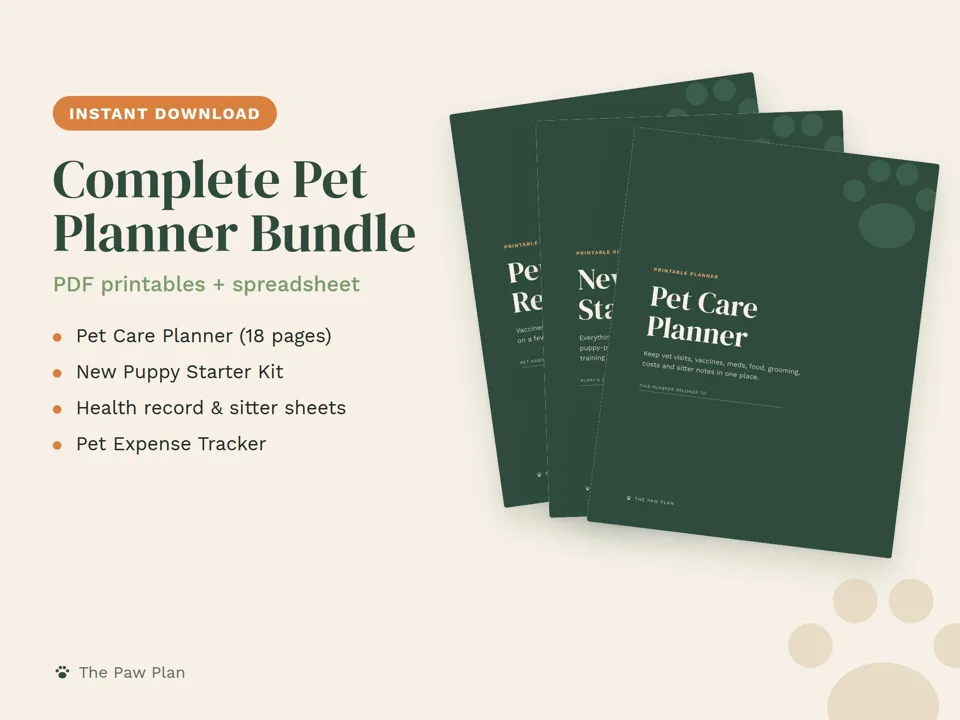
Funny tees and mugs, embroidered hats, engraved bracelets and instant-download planners for dog and cat people. Christmas delivery: order by Nov 30 (personalized items by Nov 25).
Questions people ask
How do I calm my dog during fireworks?
Walk your dog before dark, set up a den in an inner room with the curtains closed, play a fan, music or the TV to cover the bangs, and stay close. Let your dog hide if they want to, offer a chew or food puzzle, and keep the doors shut. If your dog panics every year, ask your vet about a plan well before the night.
Is it okay to comfort my dog when they're scared of fireworks?
Yes. Gently petting or talking softly to a scared dog won't make the fear worse. Stay calm yourself, let your dog come to you or hide, and never scold fear-related accidents or barking.
Should I walk my dog on New Year's Eve?
Yes, but do it in daylight, well before any fireworks start, and always on a leash with a snug collar and ID tag. Take the last potty break on a leash too, even in a fenced yard, because a single bang can send a dog running.
Can I give my dog something to help with firework anxiety?
Only what your vet recommends. Some dogs do well with calming products or prescription medicine, but many need a trial run first, so talk to your vet weeks ahead. Never give your dog human sleep aids or medicine on your own.
What should I do if my dog runs away during fireworks?
Start looking right away, report your dog missing to the microchip registry, and call local shelters, animal control and nearby vets. Scared dogs often hide close to home, so search slowly, leave out something that smells like home, and check again in the quiet of the next morning.
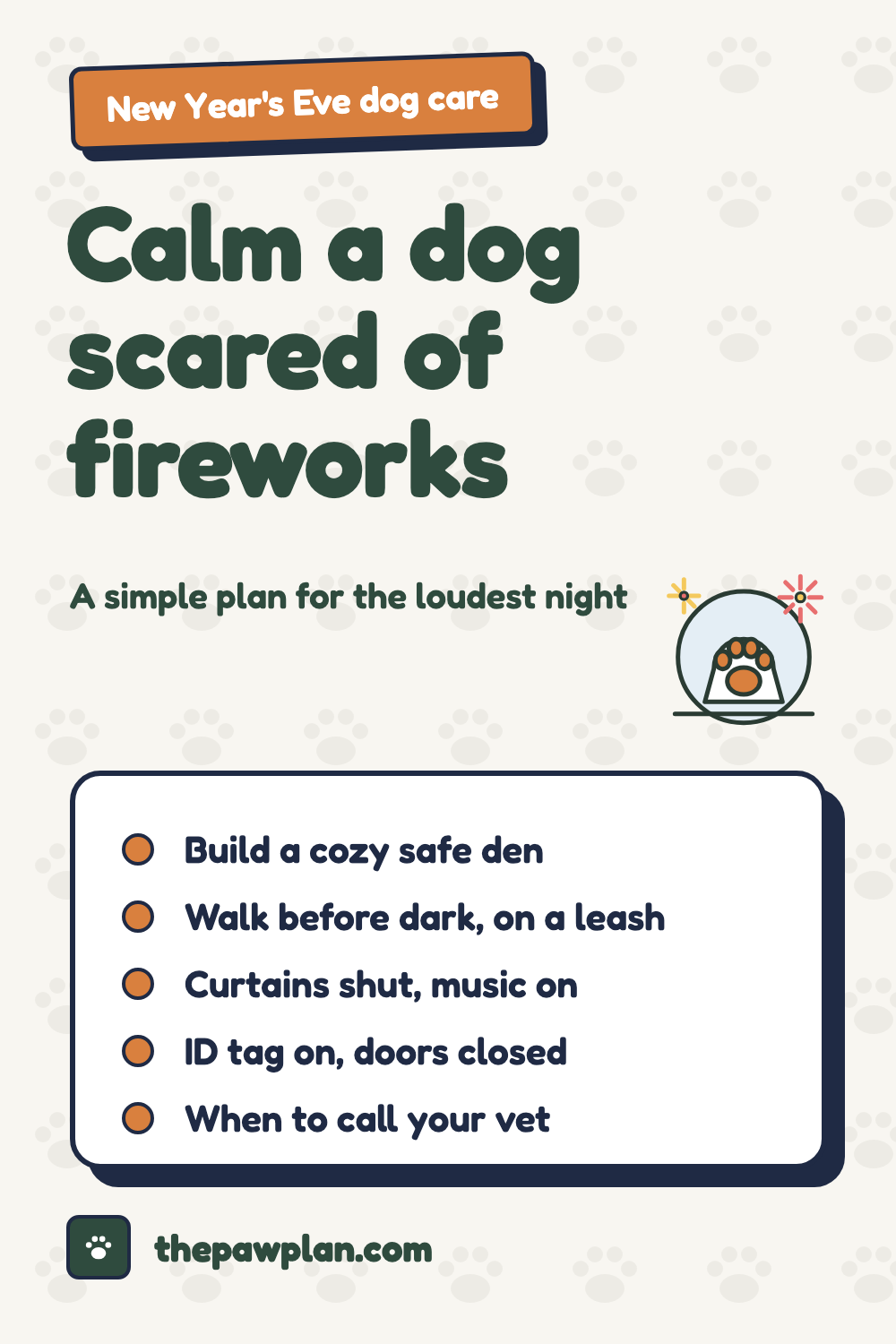
Save this for later.
Pin it to your pet board so it's there when you need it.
The Paw Plan shares general information, not veterinary advice. Every pet is different, so check with your vet about your pet's health, diet and care.
More guides you'll like
Holiday foods dogs and cats can't eat
From the Thanksgiving turkey to the New Year's cheese board, holiday food is everywhere. Here's what to keep off your pet's plate, what's fine in small amounts, and what to do if they help themselves.
Read the guide →Pet sitter checklist: what to leave before you travel
Clear instructions help your pet feel safe and your sitter feel confident. Here's everything to write down.
Read the guide →Winter paw care for dogs: salt, ice, snow and cracked pads
Cold pavement, rock salt and dry indoor heat are tough on paws. Here's a simple before-and-after-walk routine that keeps your dog's feet comfortable all winter.
Read the guide →One easy pet-care tip a week.
Short, practical and friendly. Join free and get our printable pet emergency contact card right away.
One email a week. Unsubscribe any time.